NCAA Basketball Rankings: A Comprehensive Guide To The Best Teams In College Basketball - The NCAA basketball rankings serve as a benchmark for evaluating team performance and competitiveness. They are based on a combination of factors, including game results, strength of schedule, and overall team performance. Understanding how these rankings work is essential for anyone who wants to follow college basketball closely. The NCAA basketball rankings have a direct impact on tournament selection and seeding. Teams with higher rankings are more likely to receive favorable seeds, which can improve their chances of advancing deep into the tournament. The selection committee considers rankings, among other factors, when determining the tournament field.
The NCAA basketball rankings serve as a benchmark for evaluating team performance and competitiveness. They are based on a combination of factors, including game results, strength of schedule, and overall team performance. Understanding how these rankings work is essential for anyone who wants to follow college basketball closely.
The future of NCAA basketball rankings is likely to involve even more advanced analytics and technology. As data collection and analysis improve, rankings will become more accurate and reflective of team performance. Fans can expect to see more sophisticated metrics and tools for evaluating teams in the years to come.
We invite you to share your thoughts on NCAA basketball rankings in the comments below. Do you agree with the current ranking systems? What changes would you like to see in the future? Additionally, explore other articles on our site for more insights into college basketball and beyond.
College basketball fans eagerly await the NCAA basketball rankings each week, as these rankings provide a snapshot of the top-performing teams in the nation. The rankings play a crucial role in determining which teams will make it to the NCAA Tournament, often referred to as March Madness. Fans, analysts, and players alike closely monitor these rankings to gauge the potential success of their favorite teams.
The tradition of NCAA basketball rankings dates back to the early 20th century, when college basketball began gaining popularity. Initially, rankings were informal and based on subjective opinions of sportswriters and analysts. Over time, the NCAA developed more structured systems to rank teams, such as the Associated Press (AP) Poll and the Coaches Poll.
Several factors influence NCAA basketball rankings. These include team performance, strength of schedule, and head-to-head results. Teams that consistently perform well against strong opponents are more likely to rank higher.
The rankings have a profound impact on the college basketball landscape. They shape the narrative of the season, influence fan engagement, and drive media coverage. Teams that perform well in the rankings often receive more attention and support.
In conclusion, NCAA basketball rankings are a vital component of college basketball culture. They provide a way to evaluate team performance, influence tournament selection, and engage fans. By understanding the factors that influence rankings and how they are determined, fans can gain a deeper appreciation for the sport.
One of the most exciting aspects of college basketball is the potential for upsets. Ranked teams often face unexpected defeats at the hands of lower-ranked or unranked opponents. These upsets can significantly impact the rankings and add drama to the season.
Top 25 College Basketball Rankings 2025 Basketball Rankings Luisa
Each season, several teams consistently perform at a high level and earn top rankings. These teams are often characterized by strong coaching, talented players, and a winning culture. Some of the perennial powerhouses in college basketball include Duke, Kentucky, and North Carolina.
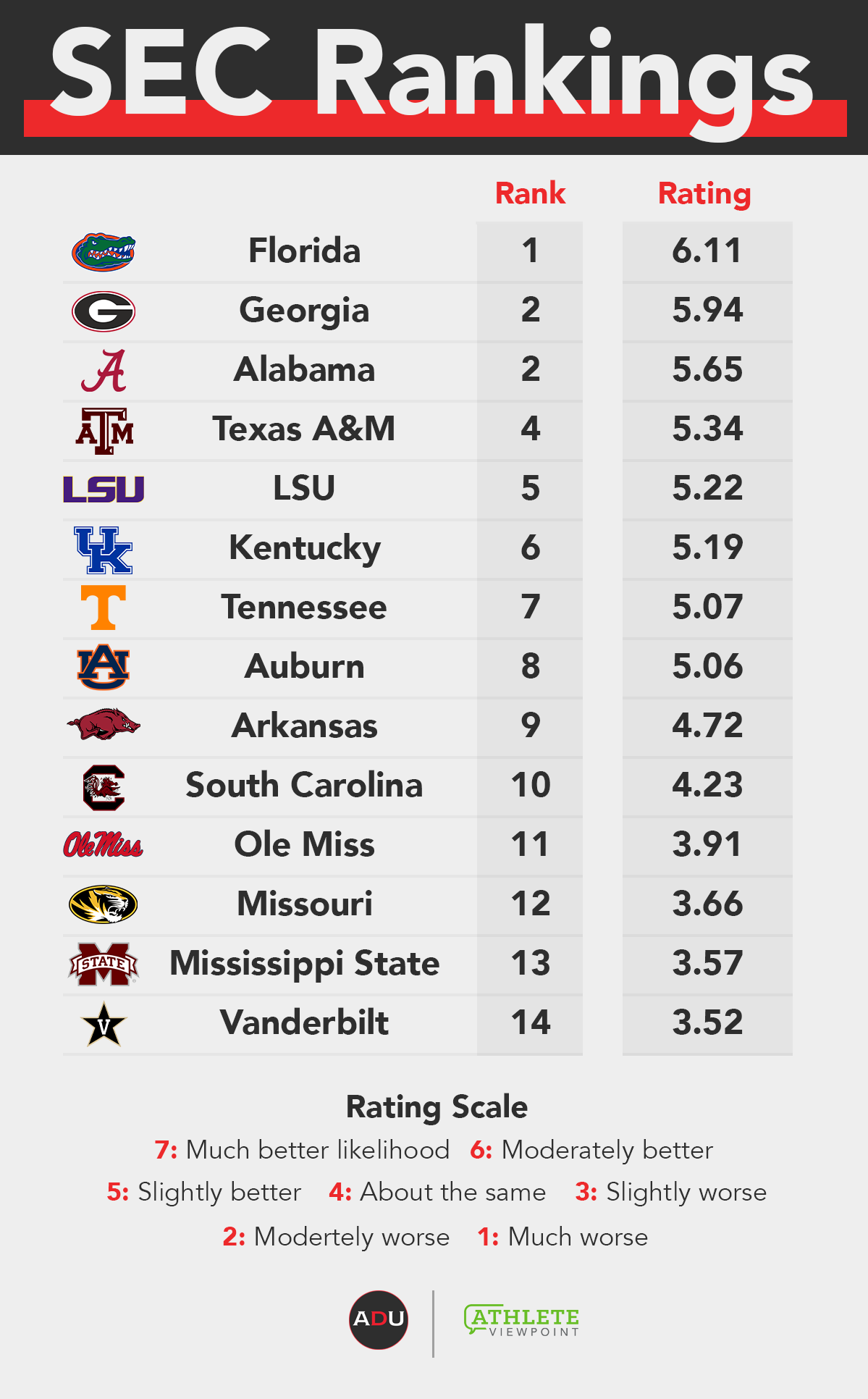
As of the latest rankings, the top teams in NCAA basketball include: